
Blogs
- All
- Achievement
- Behaviour, Attitudes and Establishing Routines
- Inclusion
- Leadership and Governance
- Safeguarding
- Teaching and Curriculum
- Welfare and Wellbeing
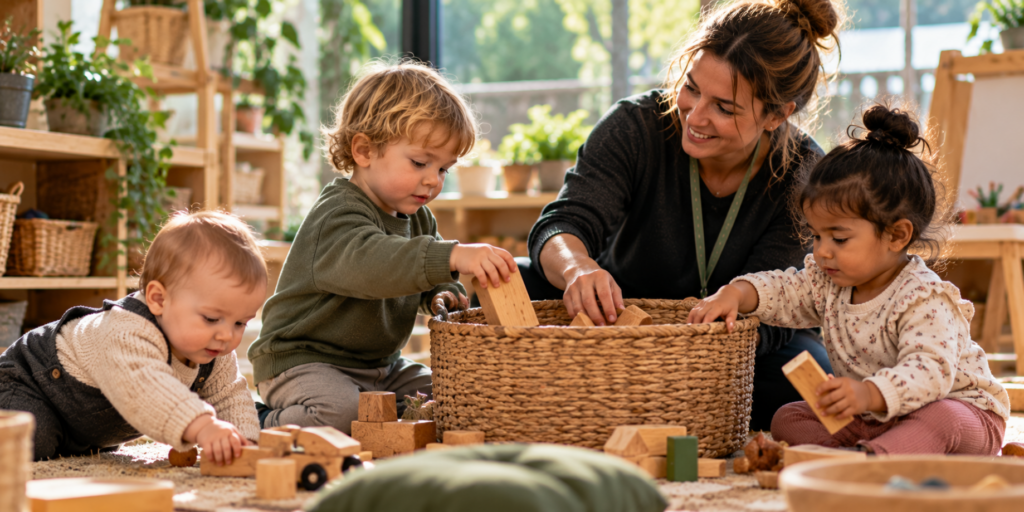
Is the Barrier Within the Child – or Around Them?
Sometimes the barrier is found in the environment, routines or expectations around a child. This article explores how reviewing our provision and adult practice can make participation and learning more accessible.

When Life Changes, Learning Can Change
Over the first two weeks of this series, we have started to broaden our thinking about barriers to learning.
In Week 1, we explored a fundamental principle: every child can experience a barrier to learning.
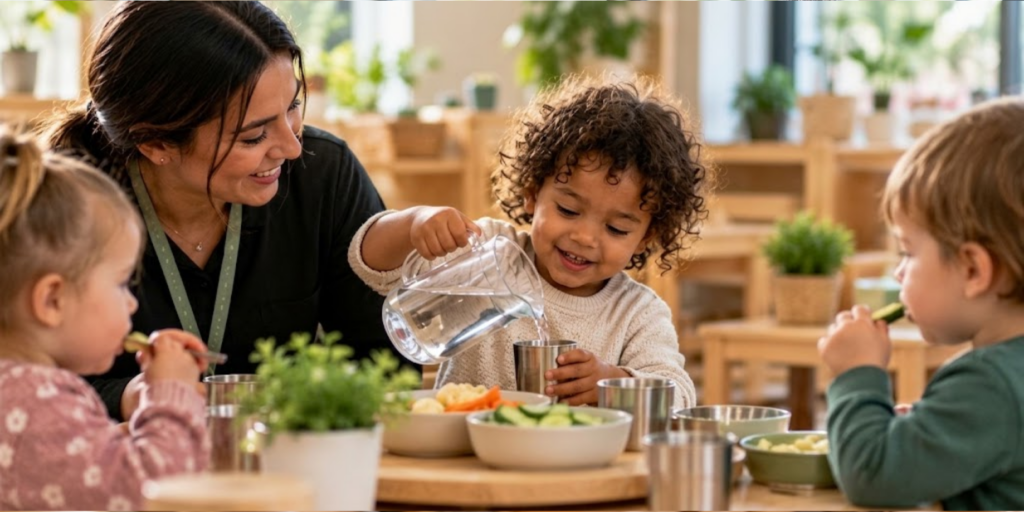
What We See Isn’t Always the Barrier
A change in behaviour tells us something, but it doesn’t always explain why. Explore how careful observation, conversations with families and professional curiosity can help us understand what is affecting a child before deciding how to respond.
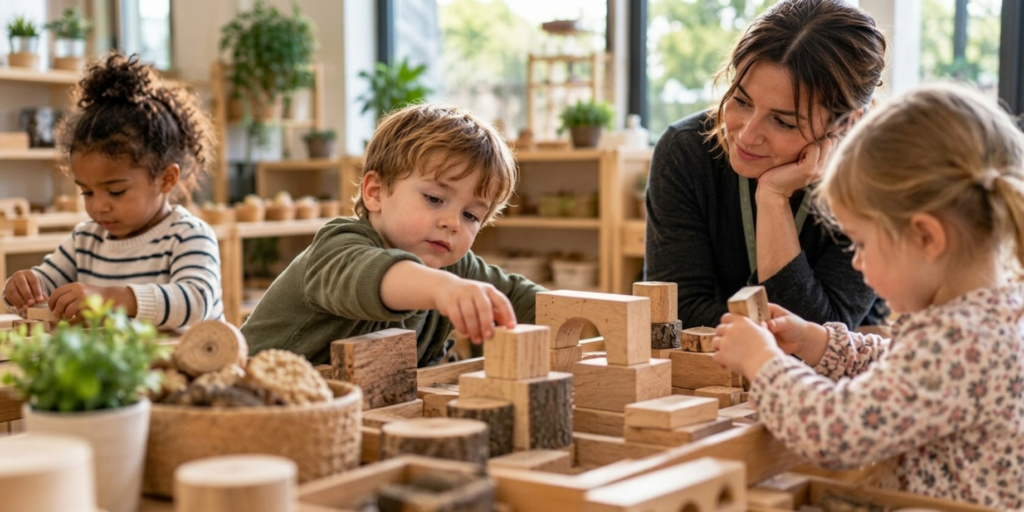
What’s Getting in the Way?
Every child can experience a barrier to learning, including temporary difficulties caused by everyday changes. This opening article in our new series explores how practitioners can recognise individual barriers, question assumptions and adapt support to what a child needs today.
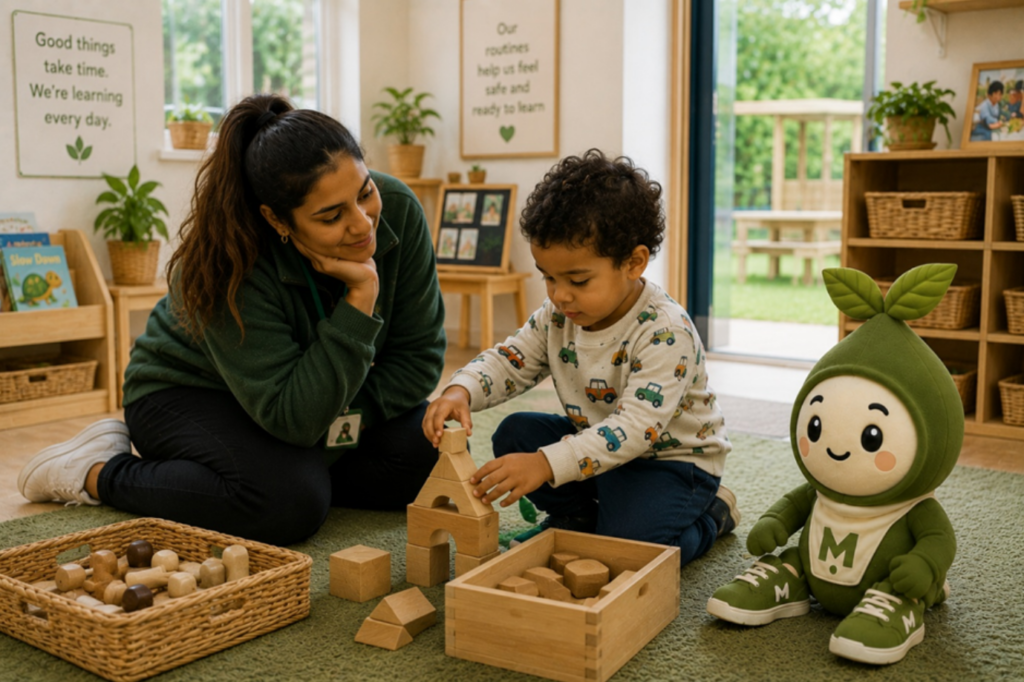
The Power of the Pause: What Happens When We Stop Rushing?
A busy nursery day can leave little time for children to try, think and work things out. Explore how a small pause can support independence, richer conversations and calmer routines—and how leaders can make that time possible.
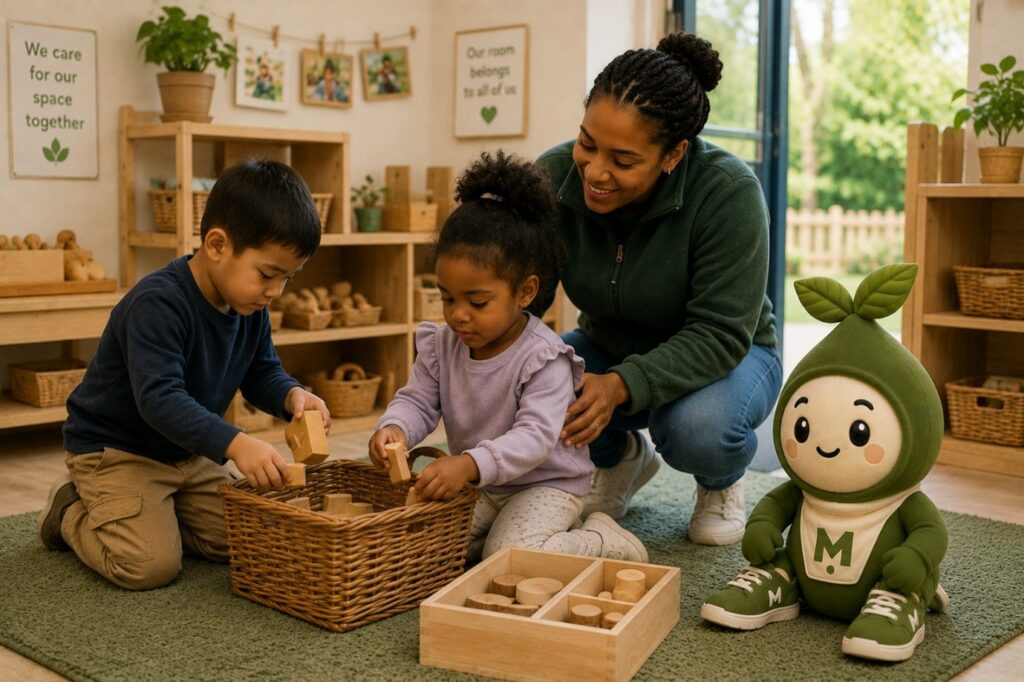
The Power of the Pause: More Than Putting Things Away
Tidying offers opportunities for sorting, problem-solving, cooperation and responsibility. Before we clear the room, how can we involve children meaningfully and recognise when their play needs protecting so they can return to it?
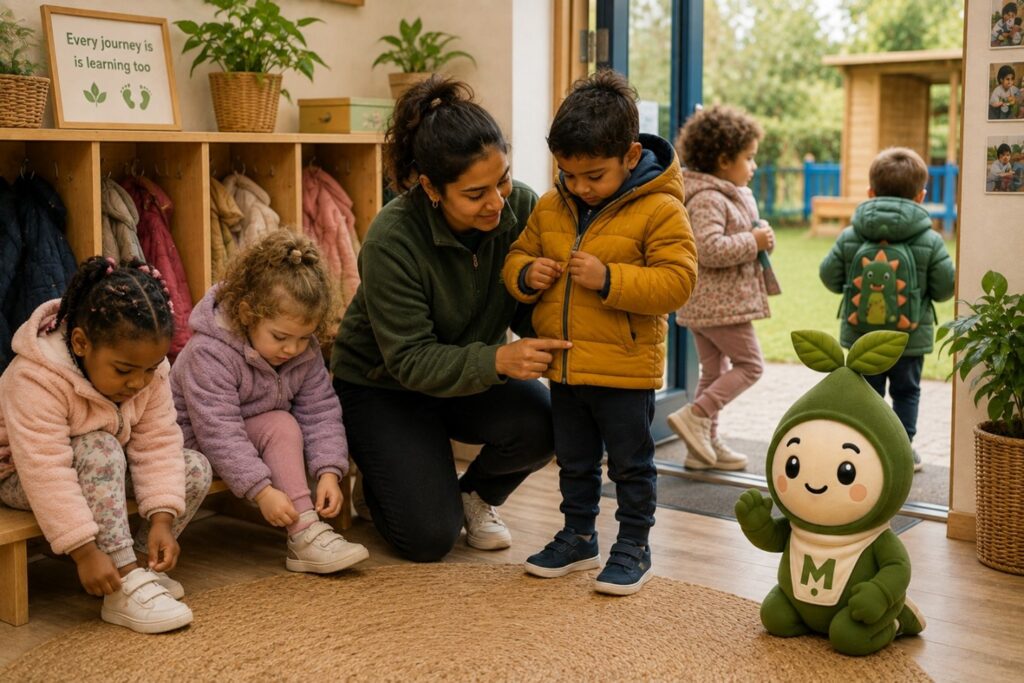
The Power of the Pause: The Journey Is Learning Too
Getting ready for the garden or moving between rooms involves more than reaching the next destination. Discover the opportunities for communication, decision-making and independence within the journeys children make throughout their day.
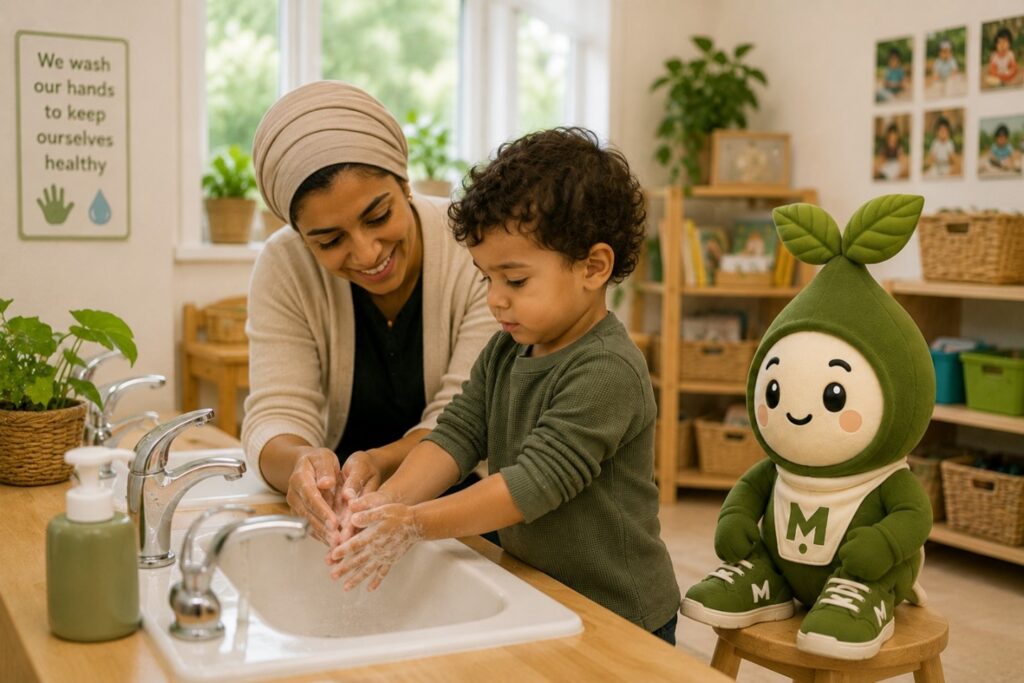
The Power of the Pause: More Than a Routine
Washing hands, getting dressed and preparing to rest are personal moments in a child’s day. Taking time to involve children and respond sensitively can strengthen relationships, build confidence and make everyday care a valuable learning experience.
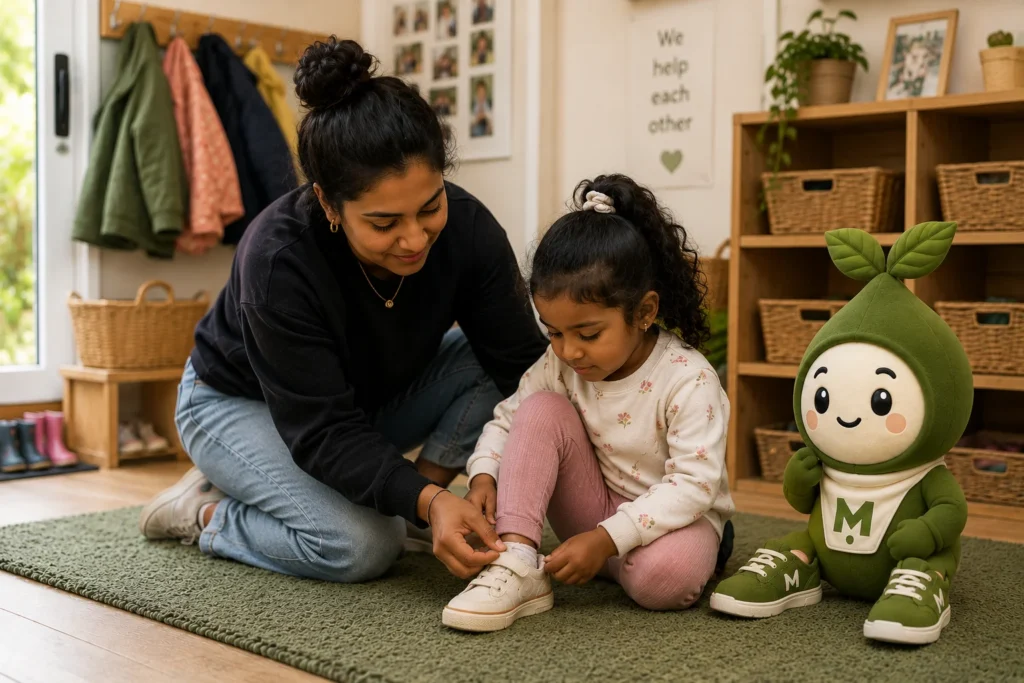
The Power of the Pause: Before You Do It for Me
Last week, I introduced The Power of the Pause and asked a simple question: where is the learning hiding?
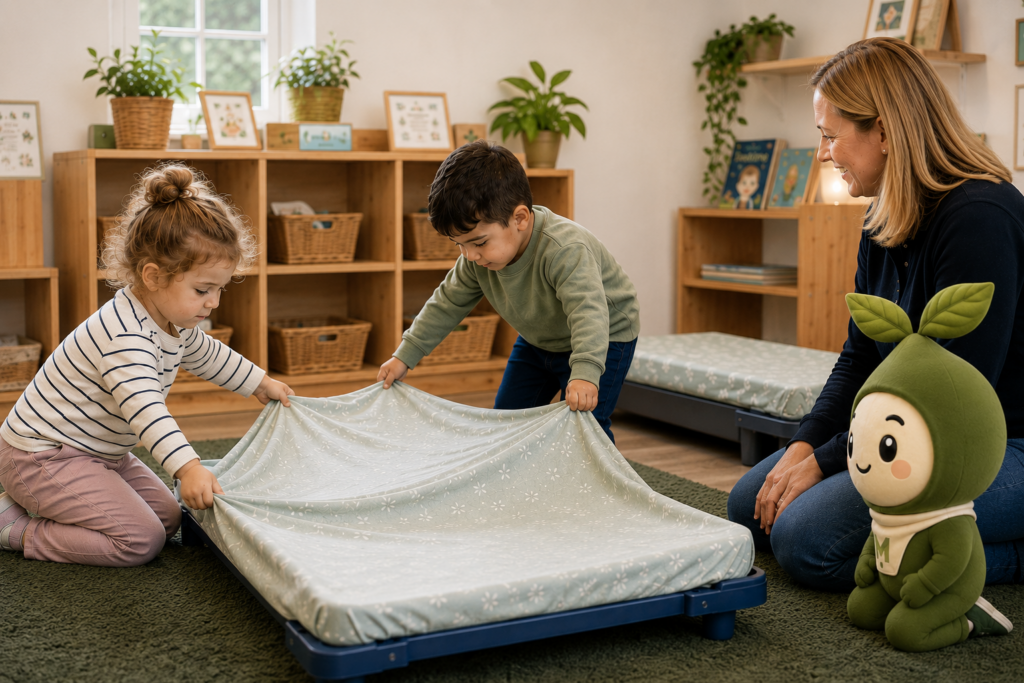
The Power of the Pause: Where Is the Learning Hiding?
Walk into almost any early years setting and you will see learning taking place.
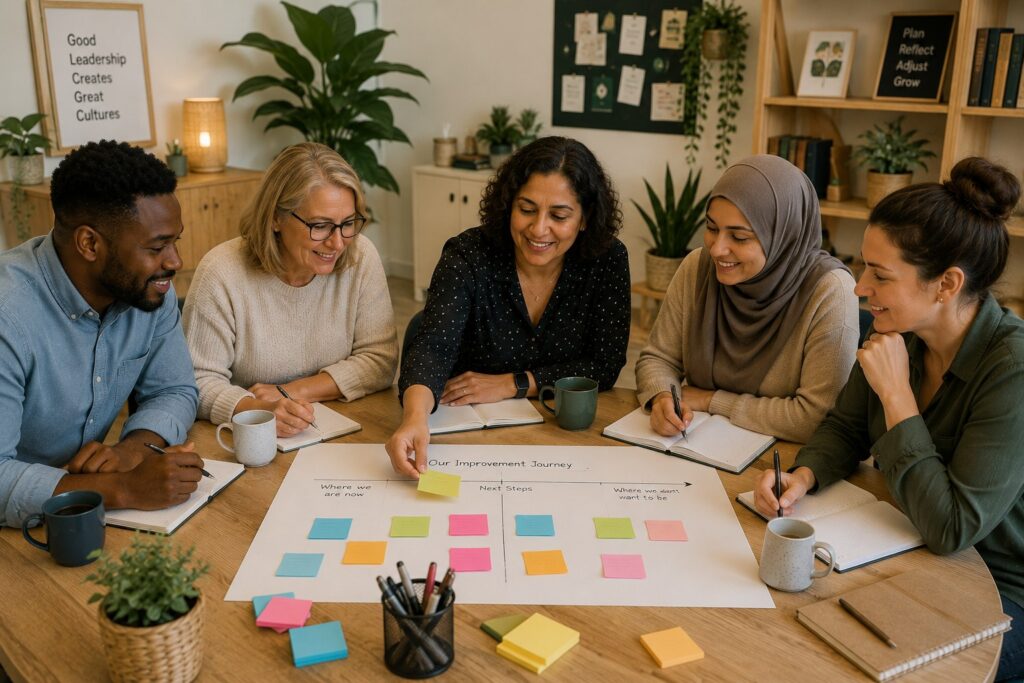
Change or Evolution? Setting the Right Pace for Sustainable Improvement
Success in early years is not achieved by sprinting towards the next initiative.
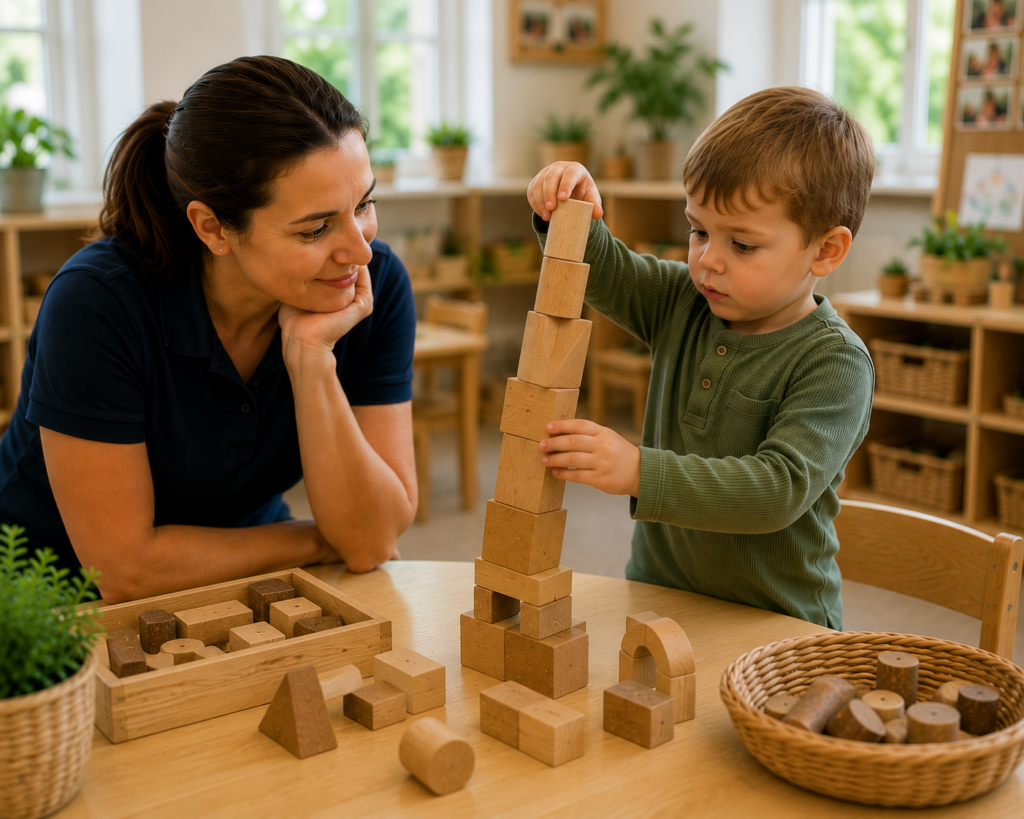
Knowing the Child Beyond the Tracker
Walk into almost any nursery and ask a practitioner to tell you about one of their key children.
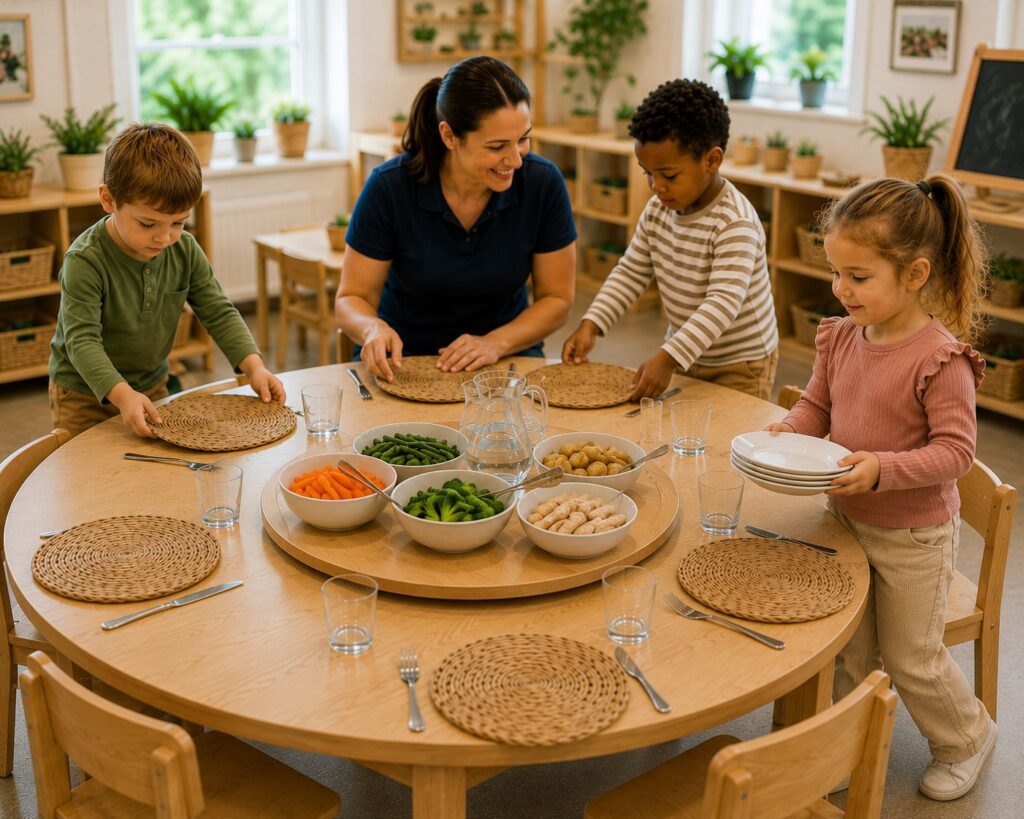
From Transaction to Teaching: Making Every Mealtime Count
Most nursery leaders recognise the importance of healthy eating.
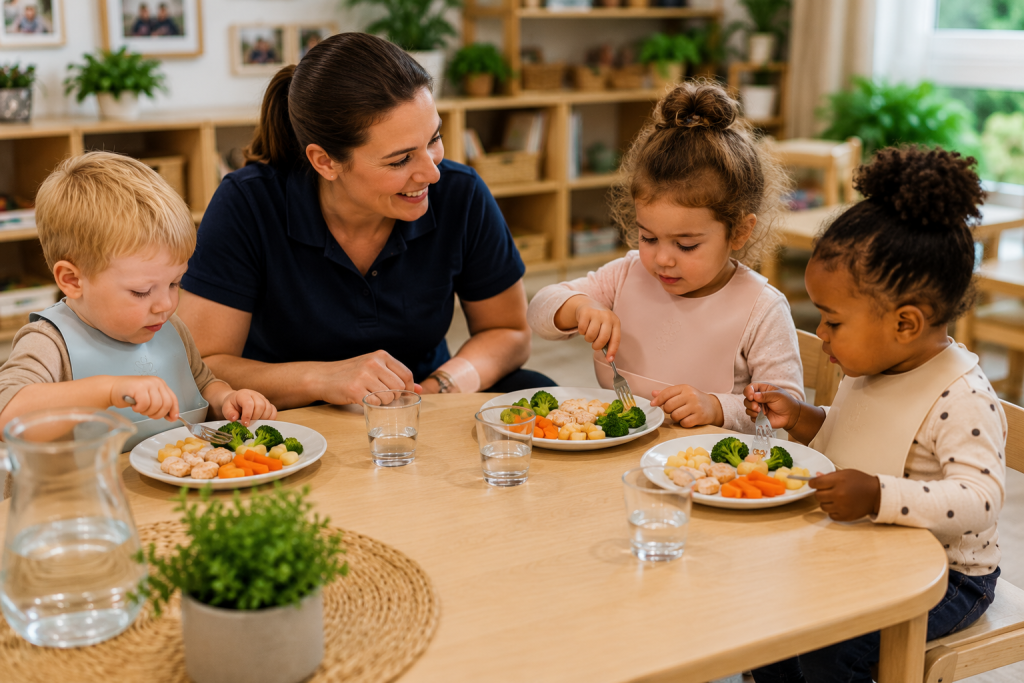
Beyond Mealtimes: Taking a Whole-Setting Approach to Safer Eating
When practitioners think about safer eating, many immediately picture lunchtime.
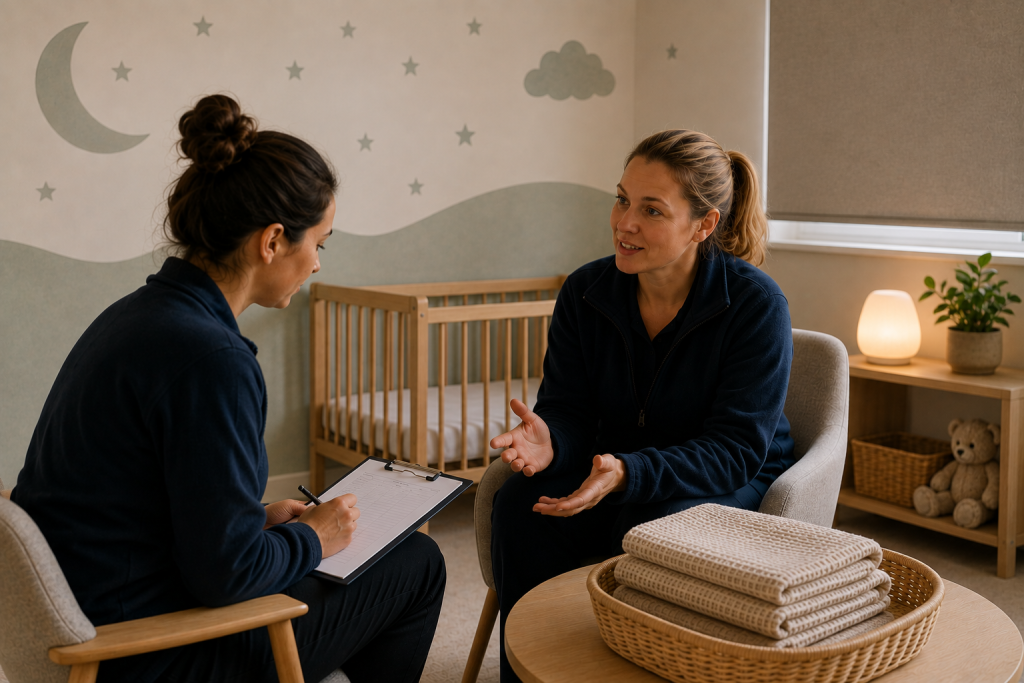
Safer Sleep is a Leadership Responsibility
With Ofsted placing an increased focus on children’s welfare and well-being, now is the time for early years leaders, managers and practitioners

Celebrating Culture Without Being Tokenistic
In recent years, there has been an increased focus within the Early Years sector on celebrating culture and promoting diversity.
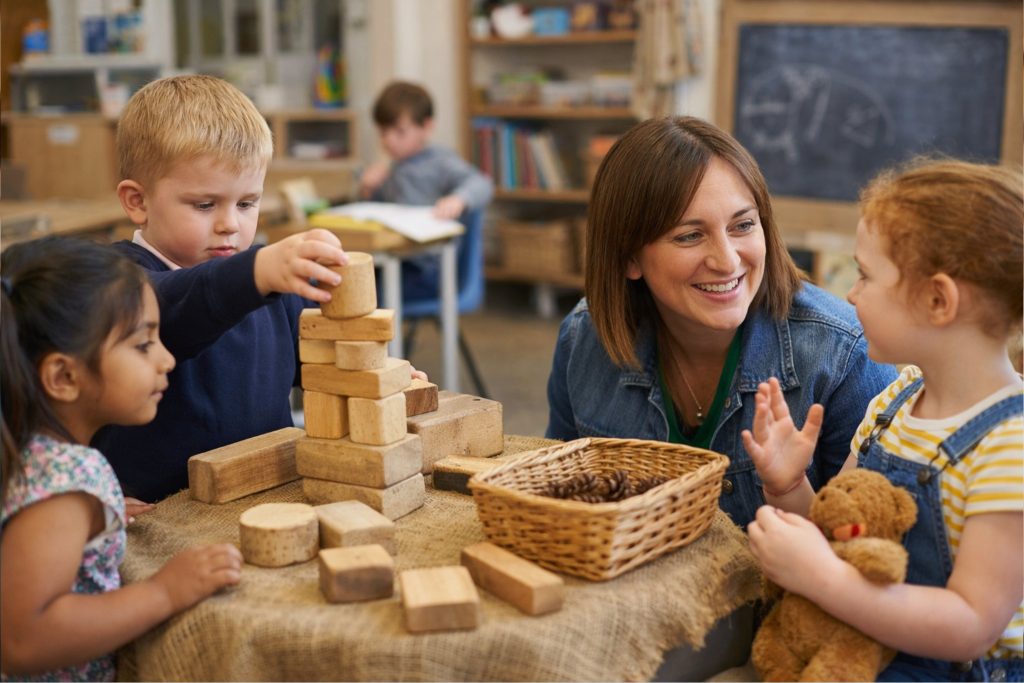
Transitions
Walking around early years settings, coaching leaders, and talking with practitioners, one question comes up time and again:
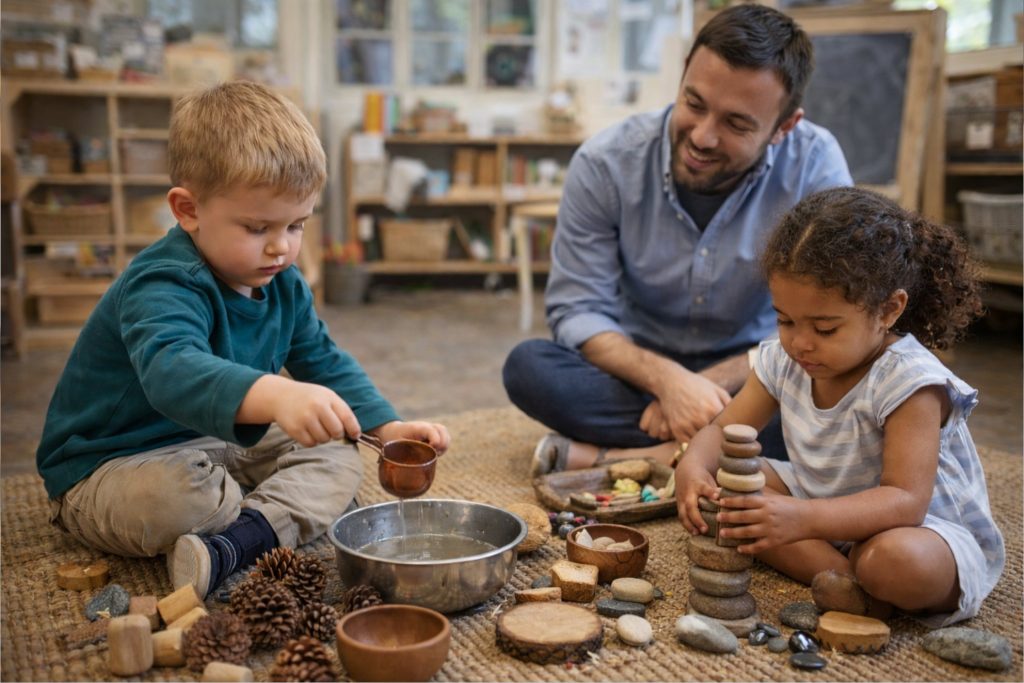
Slow Pedagogy in the Early Years Why Slowing Down Helps Children Thrive
In a world that often celebrates speed—fast results, rapid progress, instant information
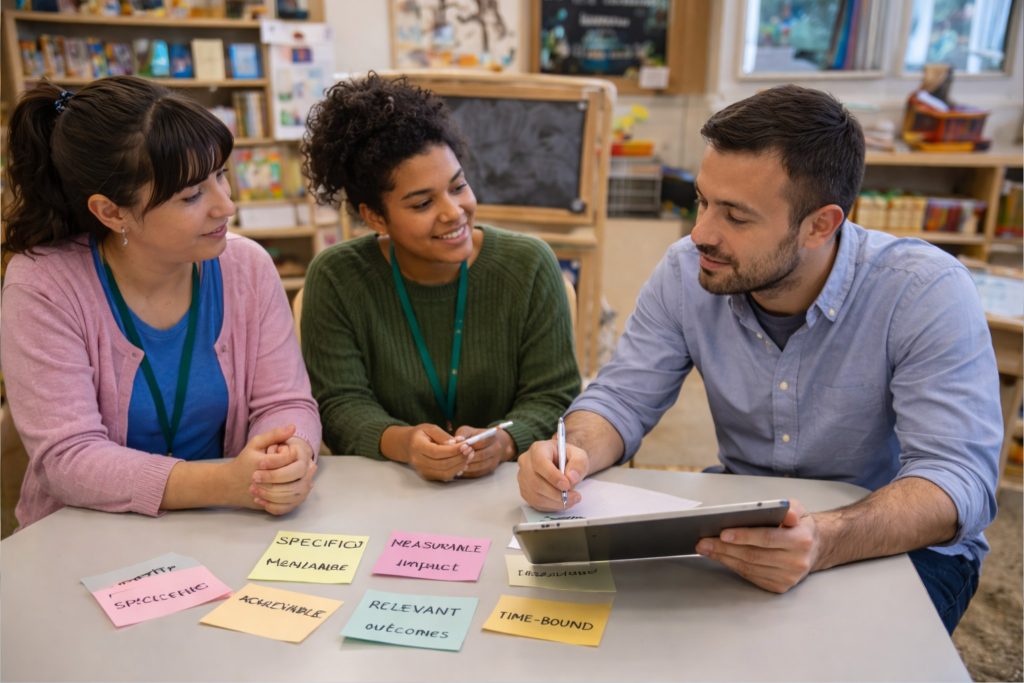
Setting SMART Targets to Improve Outcomes in an Early Years Setting
In the Early Years, where learning is rapid and every experience shapes a child’s development, effective

Preventing Abuse in Early Years Settings Lessons from the Vincent Chan Case
Starting a new early years setting requires establishing effective leadership, governance, and compliance.

The Characteristics of Effective Learning: How Children Learn Best in the Early Years
One of the most powerful elements of the Early Years Foundation Stage (EYFS) is the emphasis….

Power of Planning and Sharing a Vision with the Team in Early Years
Download Blog Power of Planning and Sharing a Vision with the Team in Early Years In early years education, where every moment shapes a child’s sense of belonging, curiosity, and capability, strong leadership is essential. But leadership isn’t just about making decisions—it’s about cultivating a shared vision and supporting the team to bring that vision [...]
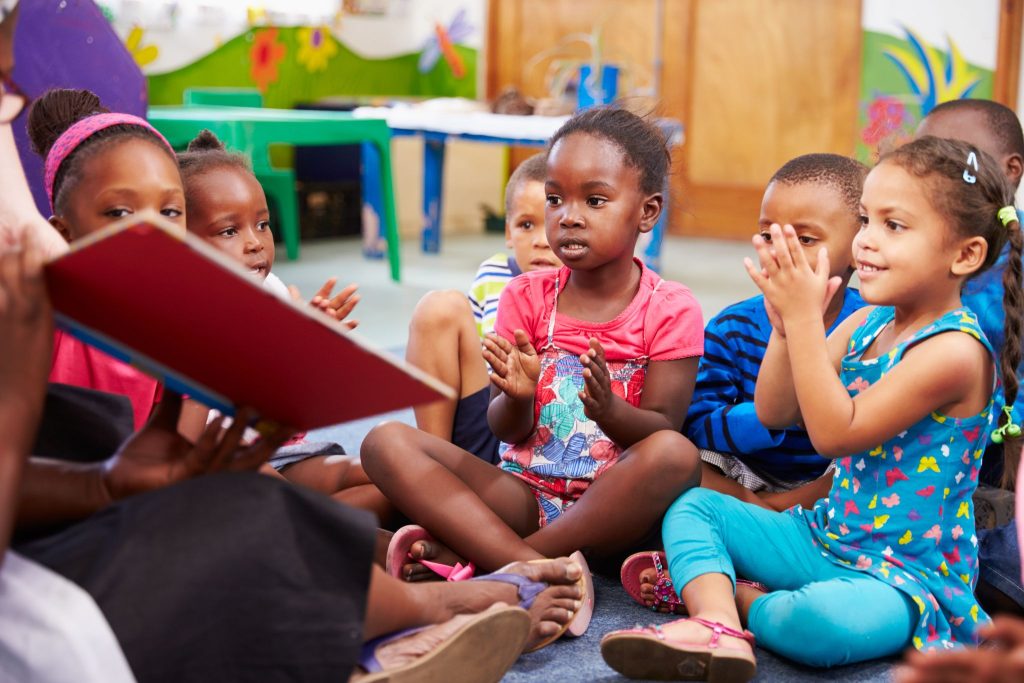
Keeping the Early Years Curriculum Simple but Effective
In the Early Years, it can be tempting to think that delivering a high-quality curriculum…

Getting the Basics Right in the Early Years Why the Foundations Matter Most
In an era where educational trends, new initiatives, and ever-changing expectations….

Understanding the Prime Areas of Learning in the Early Years
The Prime Areas of Learning are the foundation of the Early Years Foundation Stage (EYFS).
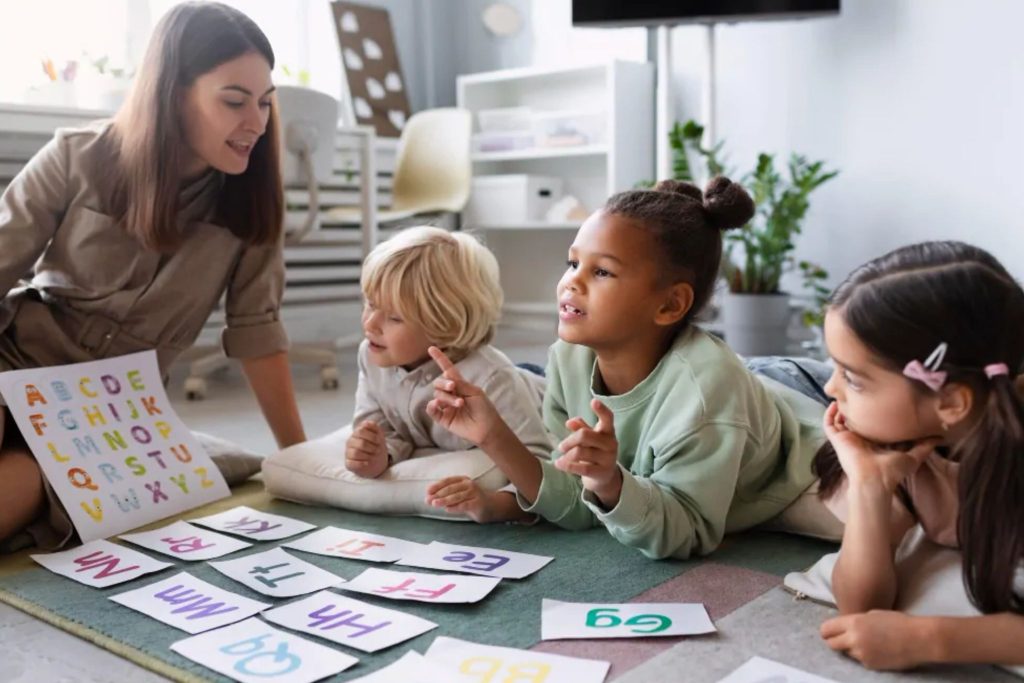
Understanding the Barriers to Learning in the Early Years
Every child arrives in an early years setting with their own story, strengths, and challenges.
Building Strong Foundations for New Settings
Starting a new early years setting requires establishing effective leadership, governance, and compliance.
Strategic Steps for Early Years Success
Ensuring every child reaches their full potential is the cornerstone of a successful early years setting.
Bespoke Consultancy for Every Early Years Setting
Every setting is unique, requiring tailored solutions to improve teaching practices, compliance,
Ensuring EYFS Compliance During Mergers and Acquisitions
Mergers and acquisitions require careful planning to maintain EYFS compliance.